How a discovery works
Every discovery runs the same four steps, and each takes about a minute.
- Predict. Commit to an answer before you read anything. A wrong guess teaches more than a right one.
- Observe. One link opens the simulation at the place that shows the answer, and a picture beside it works without 3D.
- Explain. The idea in plain language, with the equation one click away.
- Change a parameter. A calculator preset to Concordia's own numbers, so you can break the answer and watch it move.
The questions are the ones a visitor asks first: the ones where Concordia's answer is surprising until you see the arithmetic. None needs more than school physics, and every number comes from the station's own fact sheet. Take them in any order.
The calculators are calculators. They do not change the simulation, and each page links to the matching view so you can see the result there. For a guided story rather than questions, start with the journey, and for every place you can open, see the scene atlas.
The six questions
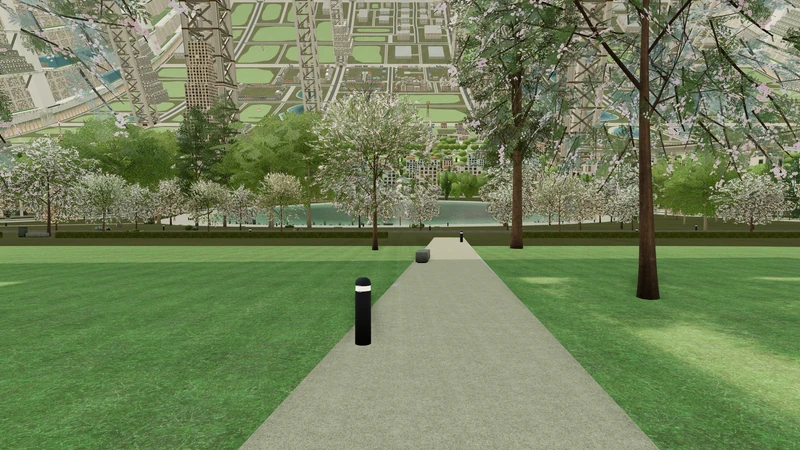
Why does the ground curve upward?
Look down a Concordia street and the road rises ahead of you until it meets the sky.
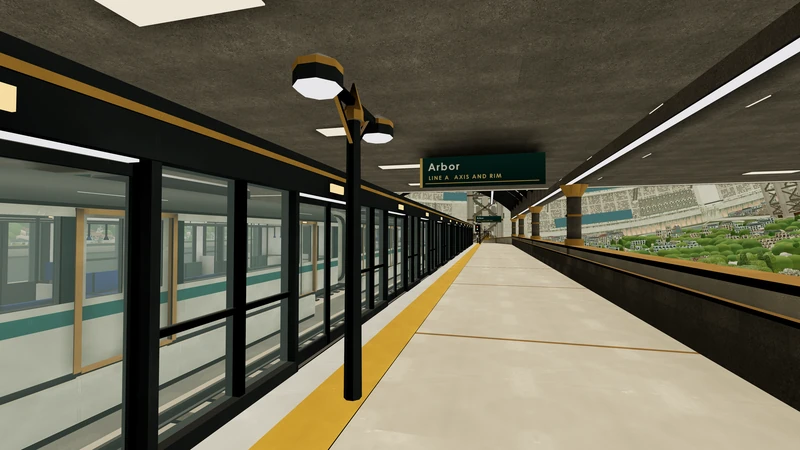
Can a train change your weight?
On Concordia the ring metro changes how much you weigh without changing where you stand. Ride against the spin at 100 km/h and you weigh 0.66 g.
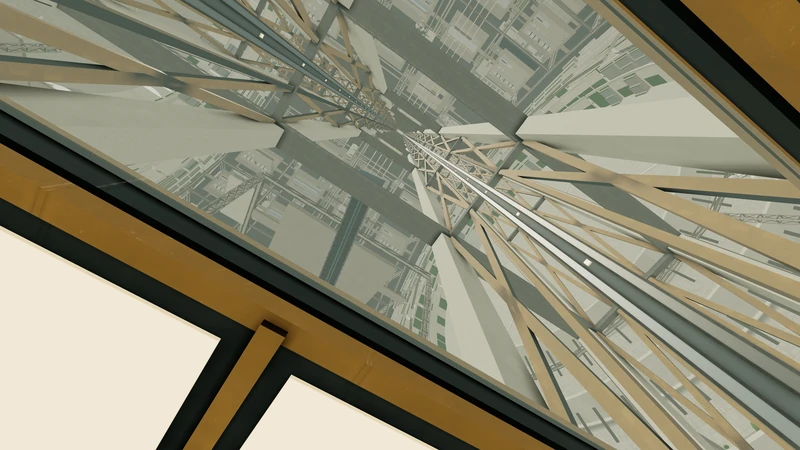
What is above the sky?
From the street the sky looks like a sky. The ascender takes you through it at 450 m, and it turns out to be machinery: lit panels on frames, with the whole width of the rotor...
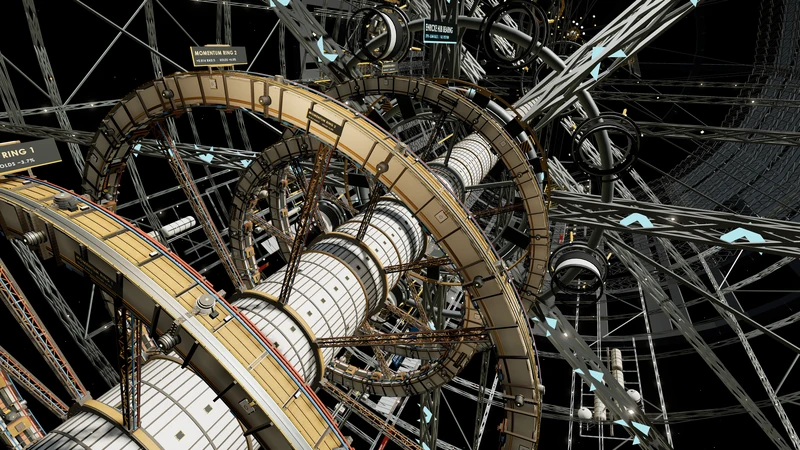
Why doesn't the whole station spin?
Four rotors turn at the heart of Concordia, but the station as a whole does not.
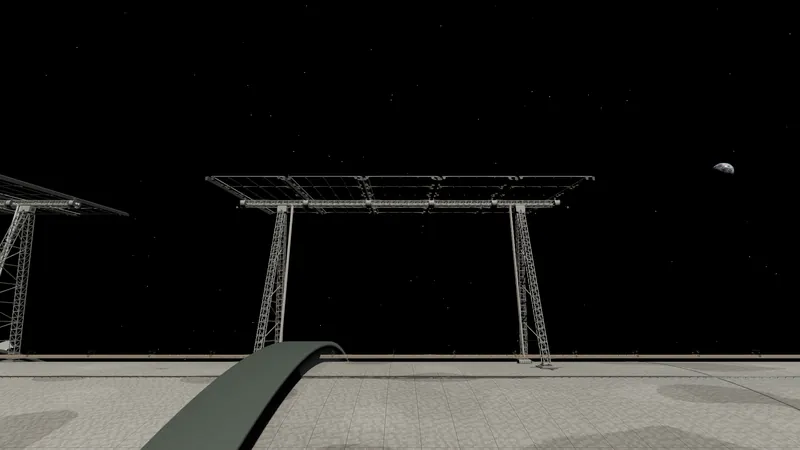
How does a city cool itself in vacuum?
A city of a million people and its machines make about 40 GW of heat, and space is a thermos with no air to carry it off.
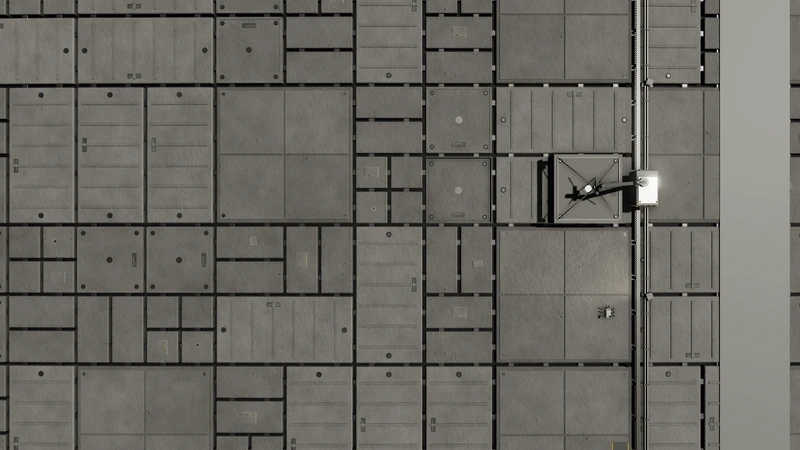
What happens when the hull is holed?
A hole in the hull of a rotor that holds 45 million tonnes of air sounds like a disaster.